Every bend in the metal changes how a system breathes. At ONECHASSIS, we model every enclosure before we even cut the first sheet. A 0.2 mm warp may sound tiny, but it can misalign a PCIe riser or block part of the airflow path.
Here’s a quick breakdown we use during client selection calls:

In one HPC deployment, switching from SPCC to SECC cut internal vibration by 22%, which extended GPU fan lifespan by nearly 1,000 hours.
That’s not marketing—it’s lab data from our Kaohsiung test site.
Airflow: The Silent Performance Booster
If the frame is the skeleton, airflow is the blood. You’ll never see it, but you’ll feel it in system stability. We once helped a data lab in Bangalore rebuild their airflow layout for a dense 4U system running 6 A100 GPUs.
The old design had fans blasting air in all directions. We replaced it with a zoned duct layout, simulating pressure paths using CFD.

The result? GPU delta-T dropped by 5.8°C, and system uptime increased by 12%. “Airflow is 80% design, 20% hardware,” our thermal engineer likes to joke. He’s not wrong.
Designed for the Hands That Build
Anyone who’s built a 4U GPU system knows the pain of pulling a PSU from behind a GPU riser. That’s why we flipped our design approach: maintenance first, aesthetics second.
Our latest chassis series includes:
- Tool-less side panels — fewer screws, faster swaps
- Front-access fan trays — no downtime maintenance
- Guided cable paths — goodbye to tangled airflow nightmares
During a client integration test, these tweaks cut maintenance time by 34% and dropped assembly rework requests close to zero.
When Precision Meets Scale
Making one perfect prototype is easy. Making a thousand that behave exactly the same—that’s the real work.
With robotic bending and CMM inspection, every batch stays within ±0.1 mm structural tolerance. That consistency means your 20th rack will fit like your first.
We’ve learned that mechanical timing matters as much as firmware timing: one off-angle bracket can trigger vibration, misfit cables, or fan stress. We engineer to make sure that never happens.
Behind the Craft
Our first GPU prototype overheated within 45 minutes. Instead of adding more fans, we reshaped the duct and reduced resistance by 18%. That fix became part of our standard airflow design ever since.
We don’t just build enclosures; we build something we’d want to deploy ourselves.
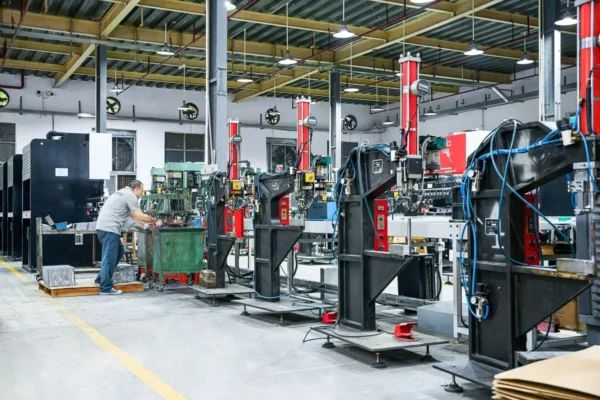
A GPU case is quiet work—it doesn’t scream innovation. But when it’s right, your GPUs stay cooler, last longer, and just work.
If you’re designing your next AI or HPC rack, talk to us about airflow modeling or check out our server integration guide. Because sometimes, real performance starts with how you bend the metal.

 When AI Becomes A Threat, Infrastructure Becomes the Front Line
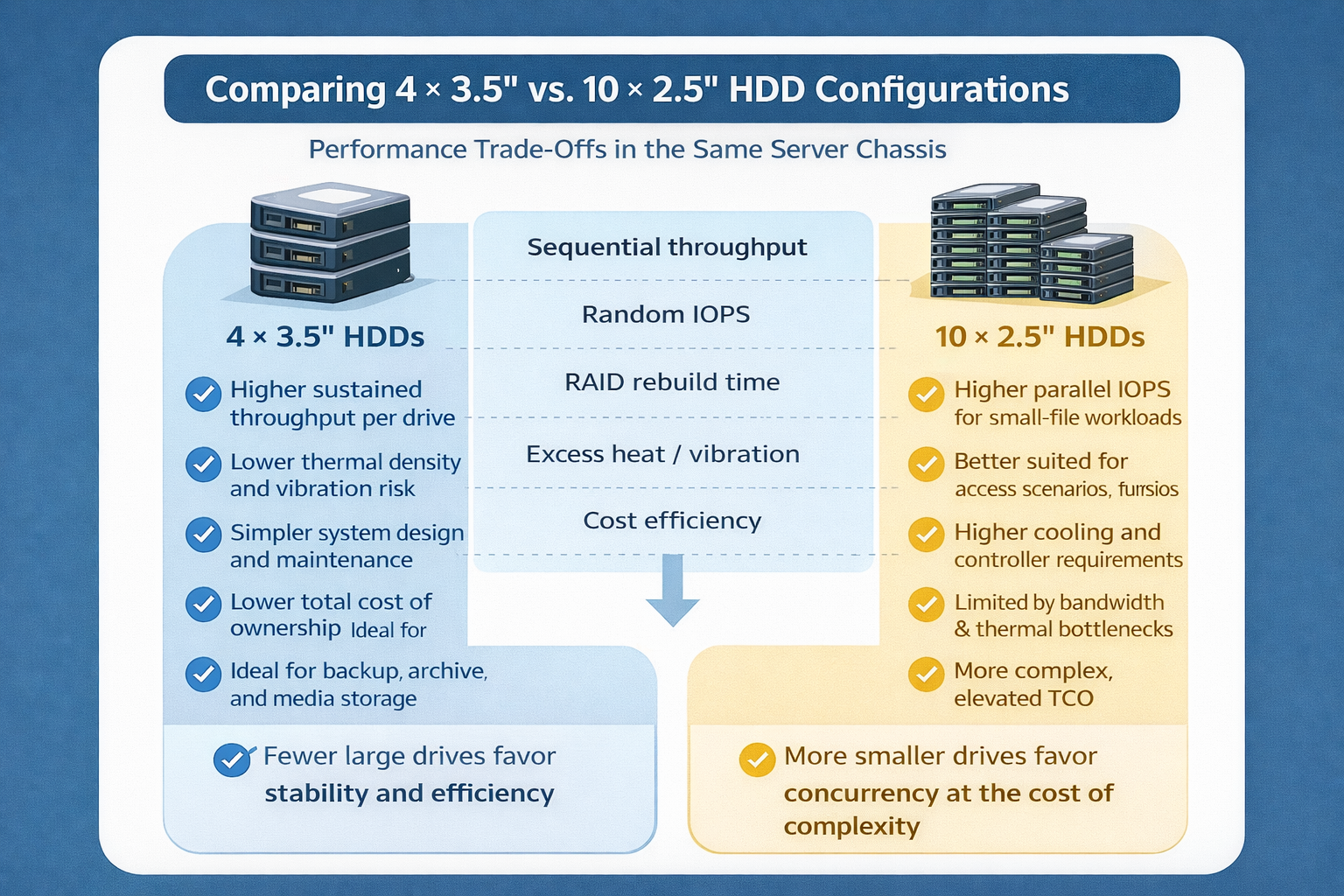 Storage Density Choices in the Same Server Chassis
 Welcoming 2026: Building the Next Year of AI Infrastructure Together
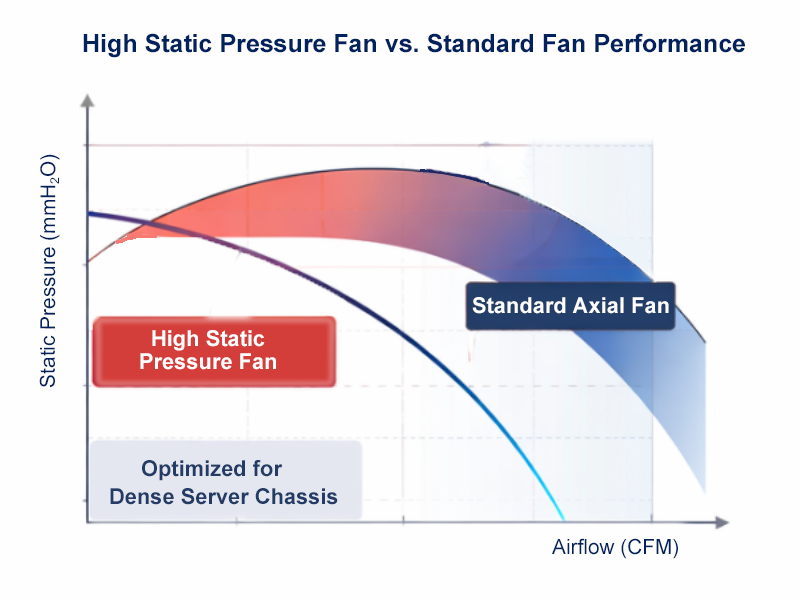 How We Design Thermal Paths: Airflow, Static Pressure & Fan Zones