From Sheet Metal to Stability: How ONECHASSIS Crafts GPU Server Cases Engineers Rely On
The Real Bottleneck No One Mentions
Three clients. Three GPU throttling nightmares. The cause wasn't GPUs — it was airflow. In one case, a genomics startup lost 18% efficiency because trapped heat built up between trays. That's when we doubled down on what we do best: designing cases that think like engineers.
Every Bend Matters
At ONECHASSIS, we start from sheet metal —modeling every enclosure before cutting the first piece. A tiny 0.2 mm warp can misalign a PCIe riser or choke airflow. Switching from SPCC to SECC steel once cut internal vibration by 22% and extended GPU fan life by 1,000 hours. That's verified data from our Kaohsiung lab —not brochure talk.

Airflow: The Invisible Power
If the frame is the skeleton, airflow is the blood. We helped a lab in Bangalore redesign its 4U system for 6 × A100 GPUs using zoned ducts and CFD simulation. The result? GPU delta-T dropped by 5.8°C and uptime rose 12%. Because in high-density builds, 80% of performance is design —only 20% is hardware.
Built for the Hands That Build
Tool-less side panels. Front-access fan trays. Guided cable paths. These aren't buzzwords —they're what shaved 34% off maintenance time and virtually eliminated rework during client integration.
Precision at Scale
Making one perfect chassis is easy. Making a thousand that fit within ±0.1 mm tolerance —that's engineering. With robotic bending and CMM inspection, every rack aligns like the first. See how it happens in our manufacturing process video ▶ and factory production story.
Built by Engineers, for Engineers
Most of our team used to build servers themselves. We've faced overheating, cable chaos, and sleepless nights in loud labs. That's why we design GPU cases that just work —cooler, quieter, and longer

If you're scaling your next AI or HPC rack, start from the case. Because true performance begins with how you bend the metal.
At ONECHASSIS, we believe every millimeter of metal matters.
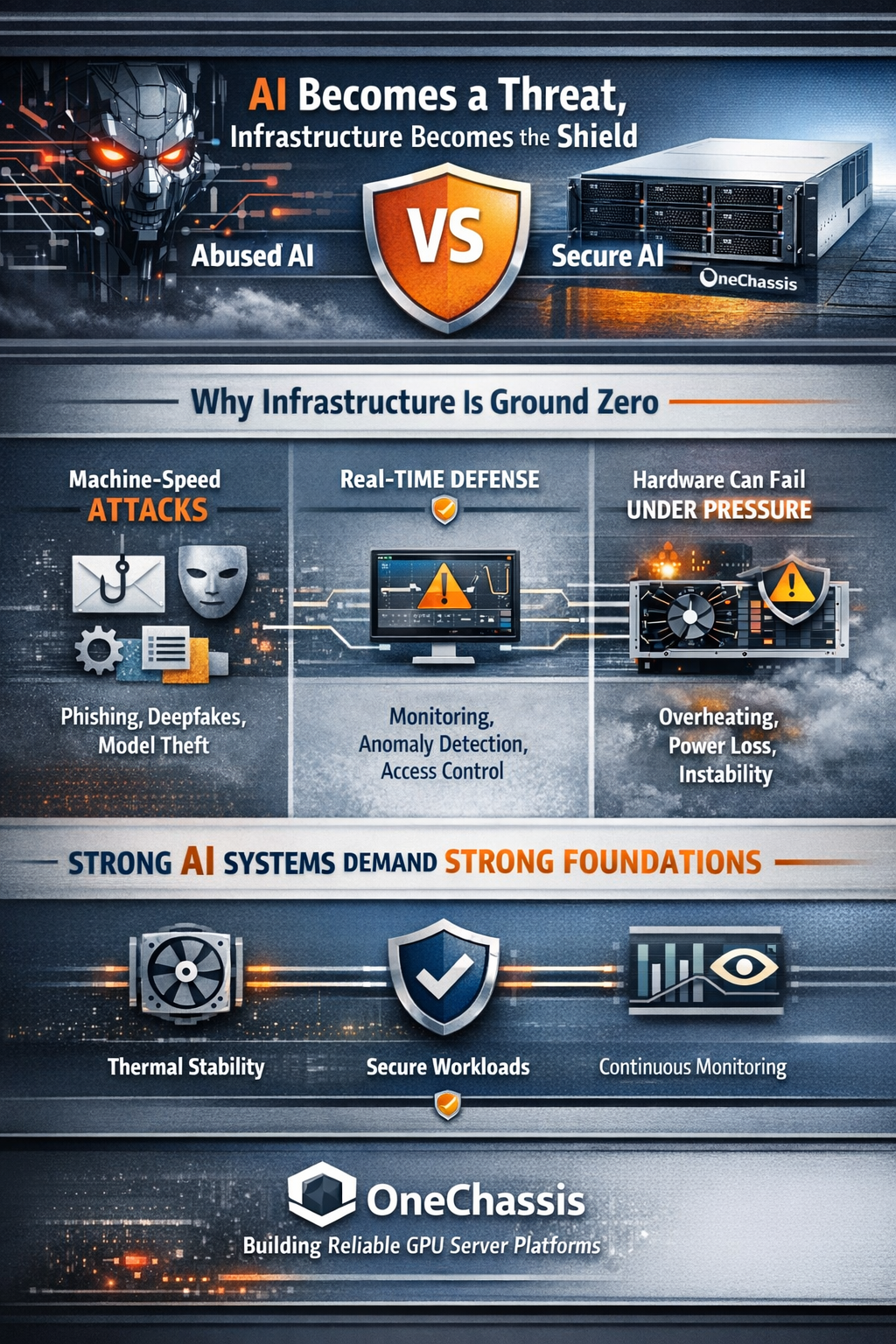 When AI Becomes A Threat, Infrastructure Becomes the Front Line
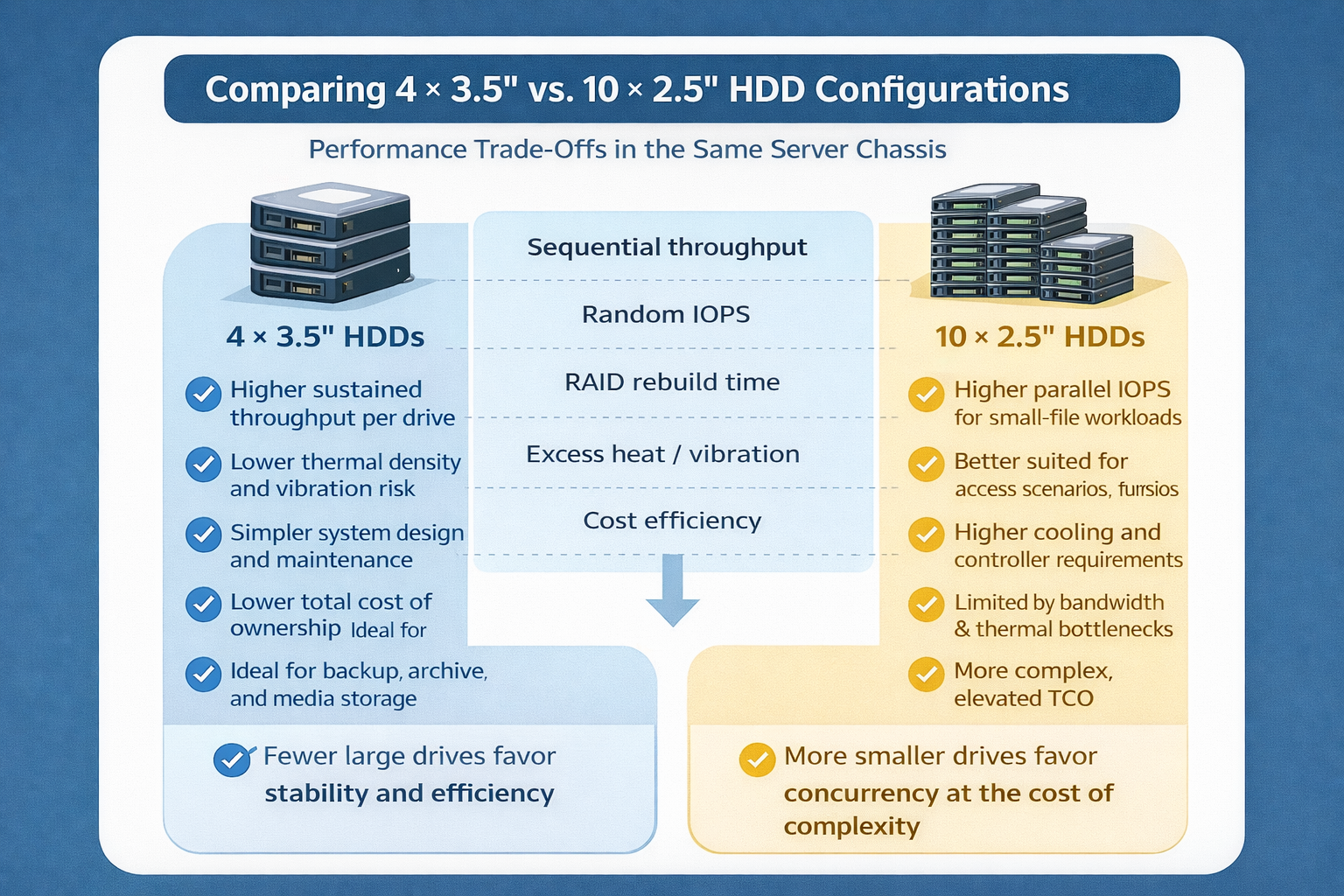 Storage Density Choices in the Same Server Chassis
 Welcoming 2026: Building the Next Year of AI Infrastructure Together
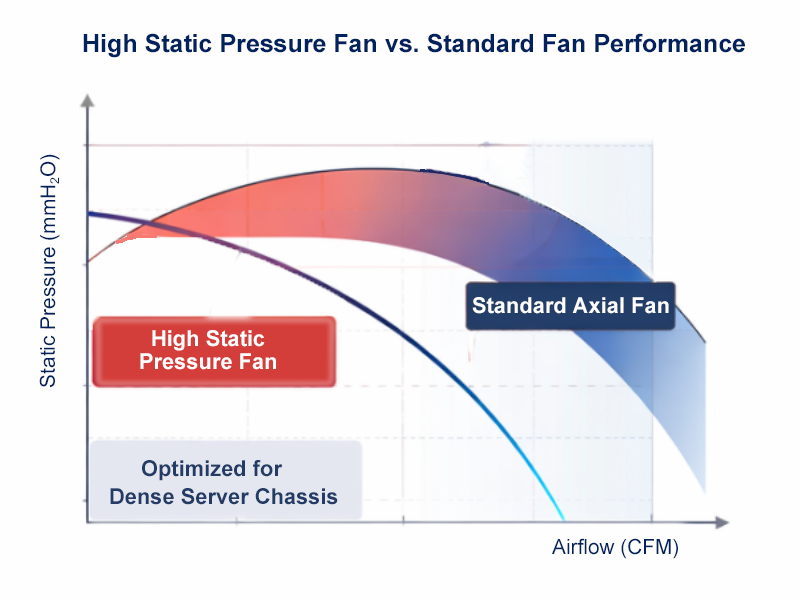 How We Design Thermal Paths: Airflow, Static Pressure & Fan Zones