Top 10 Features to Look for in a GPU Server Case
Top 10 Features to Look for in a GPU Server Case
When building or upgrading a high-performance computing system, choosing the right GPU server case is crucial. Whether you're working on AI development, 3D rendering, or scientific simulations, the right case can make all the difference in performance, durability, and ease of use. In this article, we’ll explore the top 10 features to look for in a GPU server case, helping you make an informed decision for your next build.
Why Does the Right GPU Server Case Matter?
A GPU server case is more than just a shell for your hardware. It plays a critical role in ensuring proper airflow, cooling, and compatibility with your components. A well-designed case can:
Improve system performance by maintaining optimal temperatures.
Protect your expensive GPUs and other hardware.
Simplify installation and maintenance.
Support future upgrades and expansions.
Now, let’s dive into the top 10 features you should consider when selecting a GPU server case.
1. Compatibility with GPU Sizes
Not all GPUs are created equal. High-performance GPUs, like those from NVIDIA or AMD, can be large and require ample space. When choosing a GPU server case, ensure it supports the length, width, and height of your GPUs.
Look for: Cases with removable drive bays or adjustable brackets to accommodate larger GPUs.
Pro Tip: Check the maximum GPU length supported by the case (usually listed in the specifications).
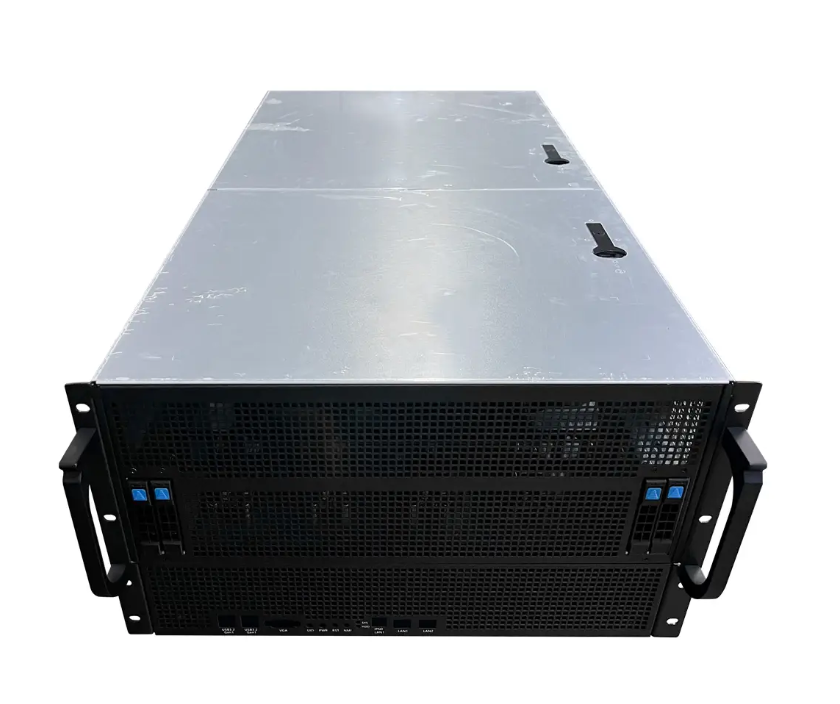
2. Efficient Cooling and Airflow
GPUs generate a lot of heat, especially under heavy workloads. Proper cooling is essential to prevent overheating and ensure stable performance.
Look for: Cases with multiple fan mounts, liquid cooling support, and optimized airflow designs.
Pro Tip: Mesh front panels and vented side panels can significantly improve airflow.
3. Expandability and Drive Bays
A good GPU server case should offer room for future upgrades. Whether you need additional storage drives or plan to add more GPUs, expandability is key.
Look for: Cases with multiple drive bays (SSD and HDD) and extra PCIe slots for additional GPUs.
Pro Tip: Modular cases allow you to customize the internal layout to suit your needs.
4. Build Quality and Durability
A durable case protects your investment in high-end GPUs and other components. Look for cases made from high-quality materials like steel or aluminum.
Look for: Reinforced edges, sturdy panels, and dust filters to keep your components safe.
Pro Tip: Cases with tool-less designs make installation and maintenance easier.
5. Cable Management Features
Proper cable management improves airflow and makes your system look clean and organized.
Look for: Cases with built-in cable routing channels, Velcro straps, and plenty of space behind the motherboard tray.
Pro Tip: A well-organized case not only looks better but also improves cooling efficiency.
6. Support for Multi-GPU Setups
If you’re running a multi-GPU setup for tasks like AI training or rendering, ensure the case can accommodate multiple GPUs without overcrowding.
Look for: Cases with enough PCIe slots and spacing between slots to prevent overheating.
Pro Tip: Check the case’s compatibility with SLI or CrossFire configurations if needed.
7. Noise Reduction Features
High-performance GPUs can be noisy, especially under load. A case with noise reduction features can make your workspace more comfortable.
Look for: Cases with sound-dampening materials, quiet fans, and vibration-resistant mounts.
Pro Tip: Larger fans tend to be quieter while moving the same amount of air as smaller fans.
8. Ease of Access and Maintenance
Regular maintenance is essential for keeping your system running smoothly. A case with easy access to components can save you time and frustration.
Look for: Cases with removable side panels, tool-less drive bays, and front-panel USB ports.
Pro Tip: Cases with hinged doors or slide-out trays make accessing internal components a breeze.
9. Aesthetic and Design
While functionality is key, the design of your GPU server case can also enhance your workspace.
Look for: Cases with tempered glass side panels, RGB lighting, and sleek, modern designs.
Pro Tip: Choose a design that complements your workspace or gaming setup.
10. Price and Value
Finally, consider your budget. While it’s tempting to go for the cheapest option, investing in a high-quality case can save you money in the long run by protecting your components and supporting future upgrades.
Look for: Cases that offer the best balance of features and price.
Pro Tip: Read reviews and compare prices to find the best value for your needs.
Summary of Key Features
When choosing a GPU server case, prioritize the following features:
Compatibility with GPU sizes
Efficient cooling and airflow
Expandability and drive bays
Build quality and durability
Cable management features
Support for multi-GPU setups
Noise reduction features
Ease of access and maintenance
Aesthetic and design
Price and value
By focusing on these features, you can find the perfect GPU server case to meet your needs and ensure optimal performance for your high-performance computing tasks.
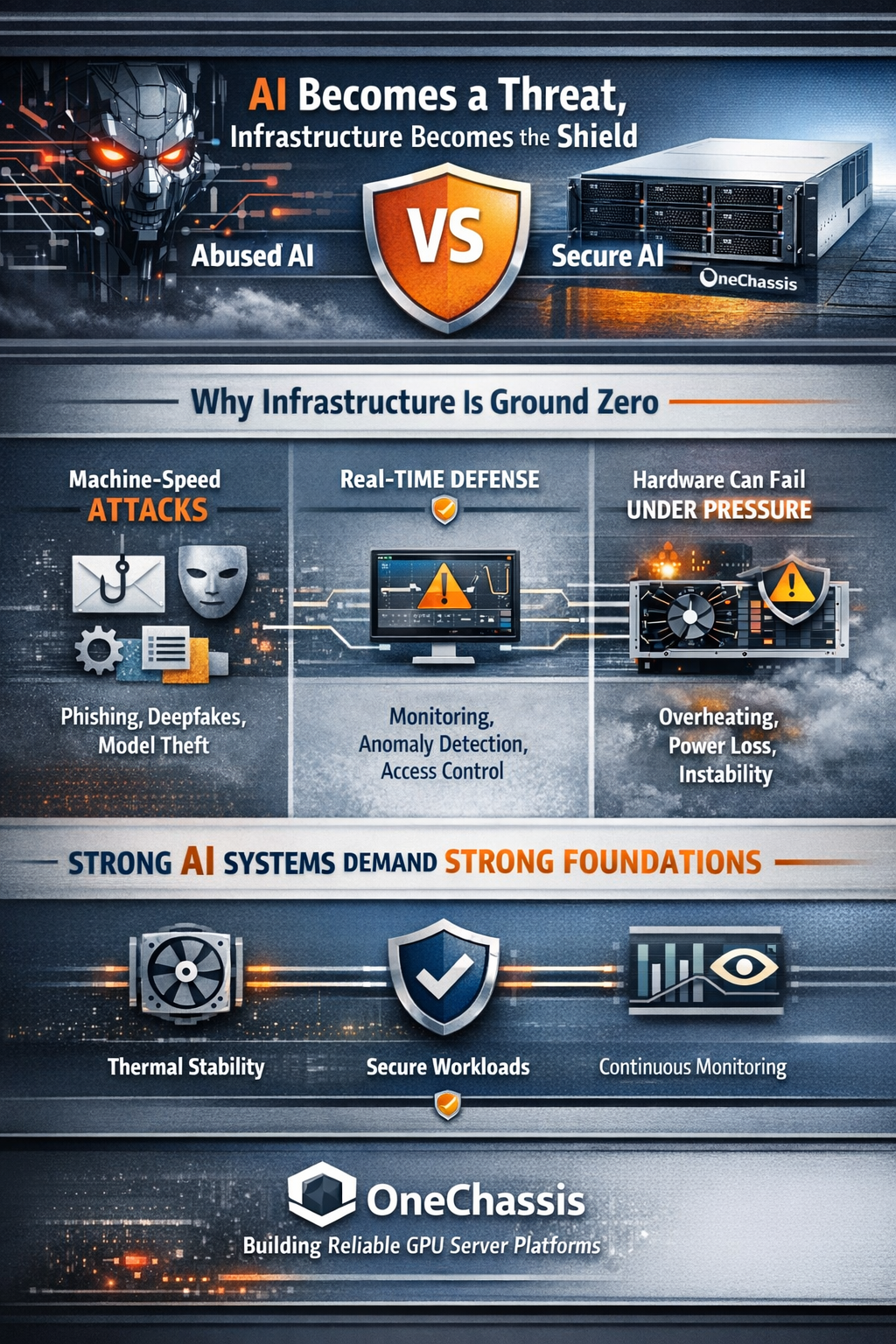 When AI Becomes A Threat, Infrastructure Becomes the Front Line
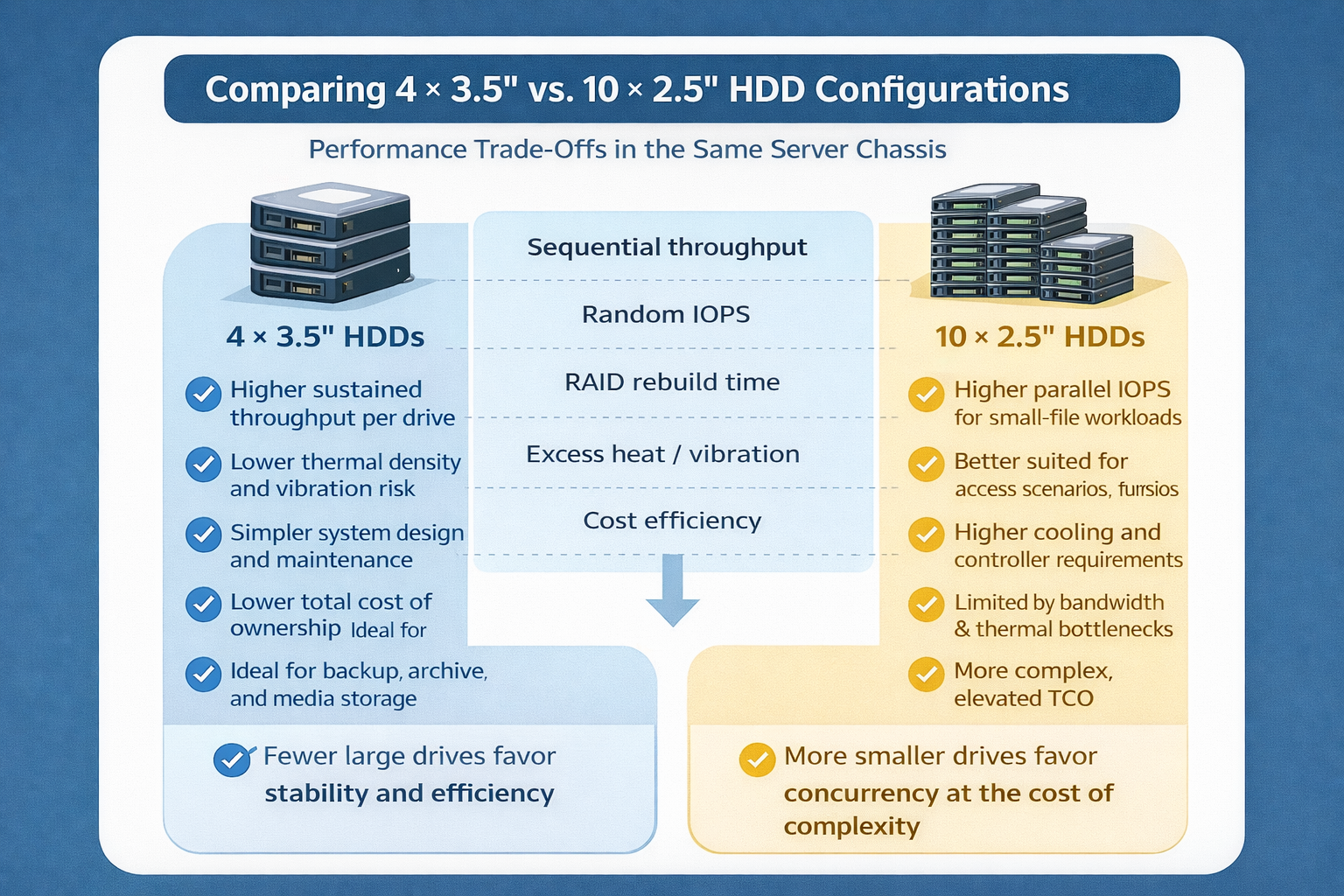 Storage Density Choices in the Same Server Chassis
 Welcoming 2026: Building the Next Year of AI Infrastructure Together
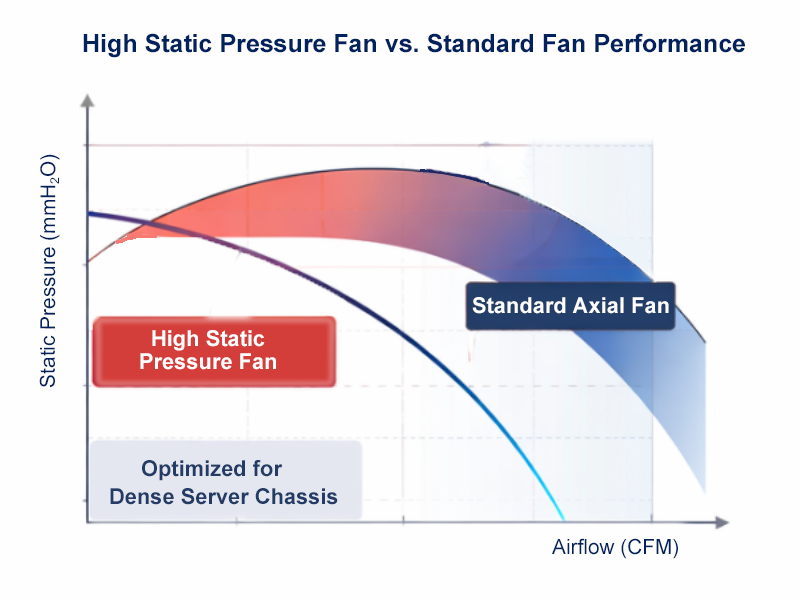 How We Design Thermal Paths: Airflow, Static Pressure & Fan Zones