Rendering Farms: Keeping Things Stable with the Right GPU Server Case

What's in a Rendering Farm?
A render farm isn't some mysterious black box. It's just a bunch of systems working together to pump out 3D frames, effects, and animations faster than a single machine ever could. To keep things running smoothly, you need the right mix of parts—nodes, management software, fast storage, cooling—and the case that ties it all together.
- Render Nodes
These are the workhorses. Each one takes on shots, frames, or effects. The more nodes, the faster you finish projects. But if the hardware isn't well set up—or it overheats—you end up with downtime. And downtime is money lost.
- Render Manager
Think of it as the project manager. It hands out jobs, tracks progress, and keeps everything moving. Smart render managers can even power nodes up or down based on workload, saving energy when you don't need the extra muscle.
- GPU + CPU Setup
GPUs handle the heavy lifting, but CPUs, RAM, and storage need to keep pace. Otherwise, you hit bottlenecks that slow the whole farm. Balance is key.
- Cooling
Rendering is hot work. If you don't keep the temperature under control, performance tanks. Good airflow, liquid cooling, or even immersion setups keep gear stable and bills lower.
- Storage
Old-school hard drives just can't keep up. NVMe SSDs give you the speed to pull assets, textures, and logs without slowing down the team.
Why the Case Matters?
Here's where OneChassis steps in. The case isn't just a metal box—it decides how well your farm runs. A good GPU server case keeps everything cool, packs in the GPUs you need, and makes upgrades simple. Mess up the case choice, and you're stuck fighting heat issues, wasted rack space, and constant maintenance.
Types of GPU Server Cases
□ Rackmount GPU Servers
Rackmount GPU servers are compact and designed to fit standard server racks, allowing for high-density deployments. These cases are ideal for large-scale data centers, as they facilitate better cooling through advanced air or liquid cooling systems and offer modularity for straightforward scalability. Their design maximizes GPU density while minimizing the physical footprint, making them a popular choice for enterprises with significant computational needs.
□ Tower GPU Servers
Tower GPU servers resemble traditional desktop PCs and are often used in smaller offices or environments where rack infrastructure is unnecessary. They provide greater flexibility in terms of component layout and cooling configurations but occupy more physical space compared to rack-mounted solutions. These cases are typically easier to deploy and are suitable for less intensive applications where high-density processing is not a requirement.
What to Look for in a GPU Server Case
-
Cooling: Can it handle nonstop rendering without throttling?
-
Room to Grow: Easy to add GPUs when projects get heavier.
-
Space Use: Rackmount cases save room in crowded data centers.
-
Compatibility: Works with the latest GPUs, no surprises.
Cooling: Can it handle nonstop rendering without throttling?
Room to Grow: Easy to add GPUs when projects get heavier.
Space Use: Rackmount cases save room in crowded data centers.
Compatibility: Works with the latest GPUs, no surprises.
OneChassis offers both rackmount and tower cases designed with rendering in mind—stable, scalable, and ready for the long haul.
What's Coming Next
-
New GPUs: NVIDIA H100, ADA, and beyond are raising the bar.
-
Green Focus: Smarter cooling tech that cuts energy use.
-
Cloud & Virtualization: On-demand rendering power without all the hardware upfront.
-
Edge Computing: Faster, real-time rendering for VR/AR.
-
Market Boom: GPUs are projected to skyrocket past $400B by 2032.
New GPUs: NVIDIA H100, ADA, and beyond are raising the bar.
Green Focus: Smarter cooling tech that cuts energy use.
Cloud & Virtualization: On-demand rendering power without all the hardware upfront.
Edge Computing: Faster, real-time rendering for VR/AR.
Market Boom: GPUs are projected to skyrocket past $400B by 2032.
Rendering farms depend on stability. You can have the fastest GPUs out there, but if the case can’t handle the heat, you’re in trouble. That’s why studios and data centers trust OneChassis—solid enclosures built to keep production running, no matter how heavy the workload.
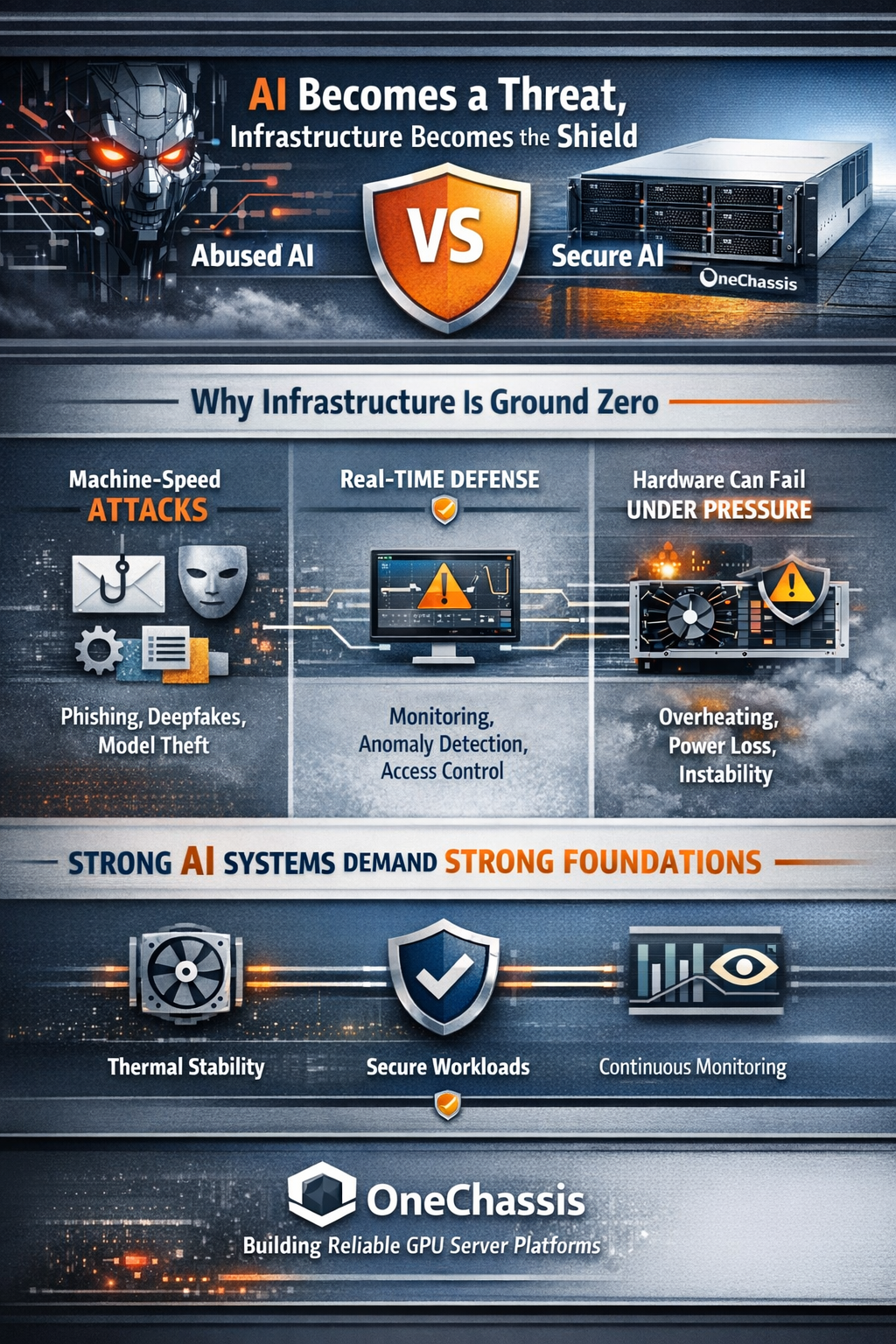 When AI Becomes A Threat, Infrastructure Becomes the Front Line
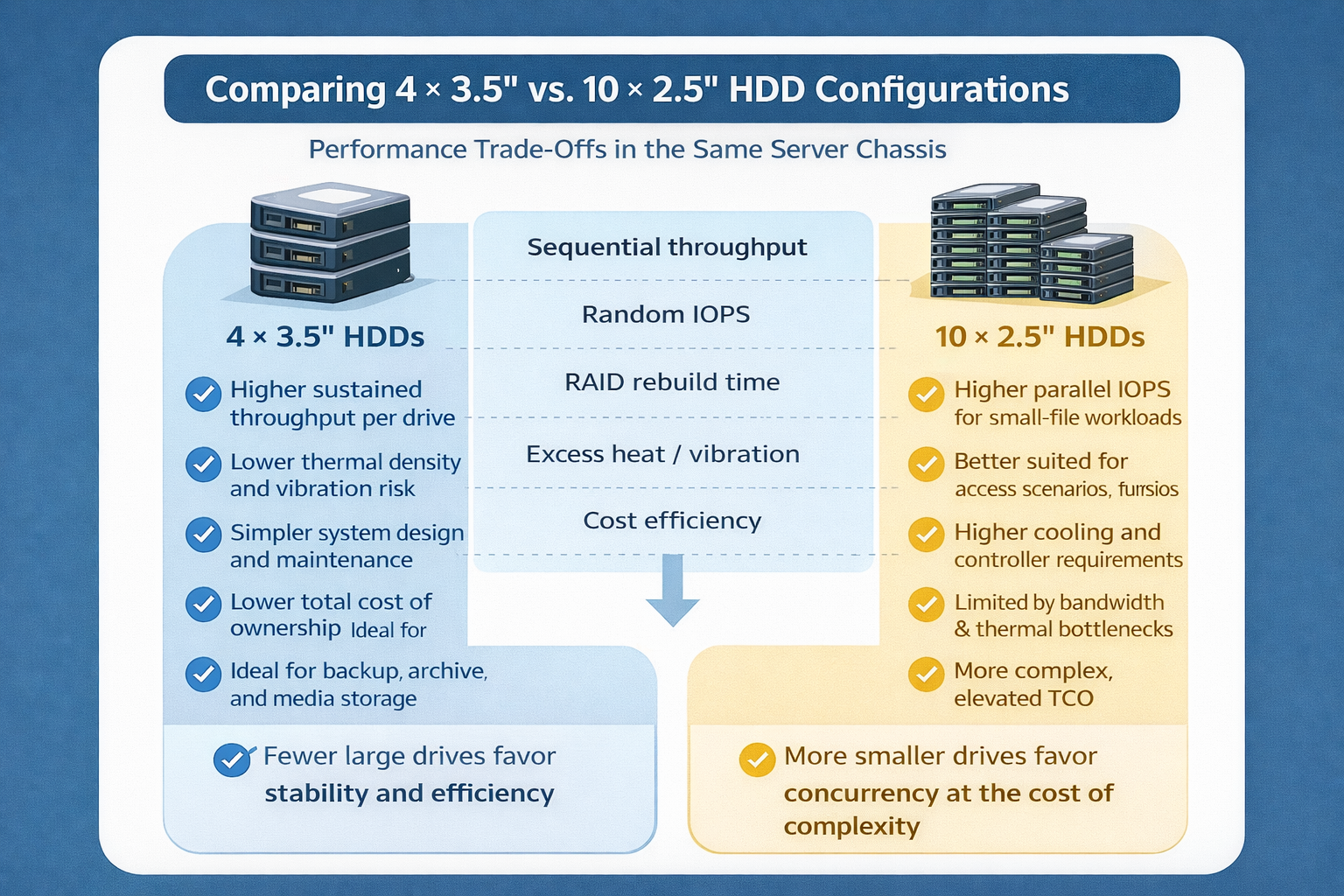 Storage Density Choices in the Same Server Chassis
 Welcoming 2026: Building the Next Year of AI Infrastructure Together
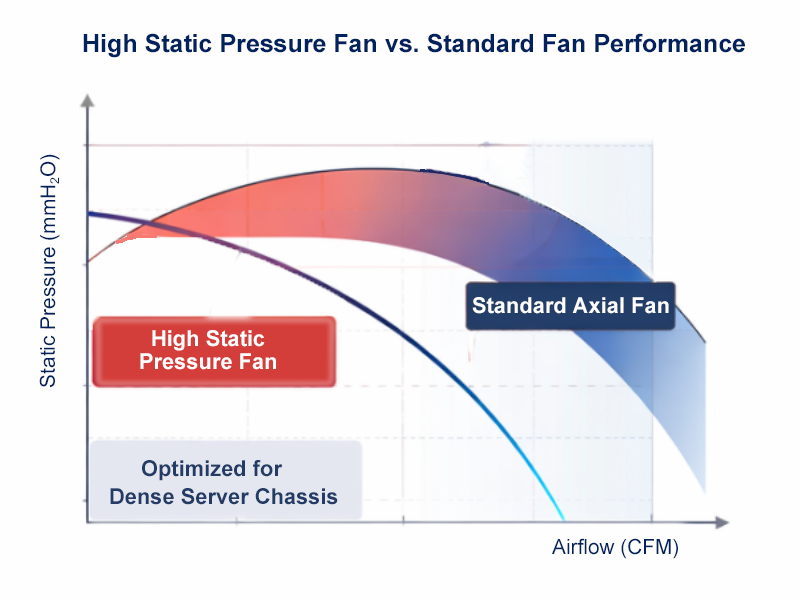 How We Design Thermal Paths: Airflow, Static Pressure & Fan Zones